A Beginner's Guide to Sexual Wellness
Contents
- What Is Sexual Wellness?
- Physical Aspects of Sexual Health
- Emotional and Mental Dimensions
- Communication as a Foundation
- Regular Healthcare and Screenings
- Self-Knowledge and Body Awareness
- Where to Start
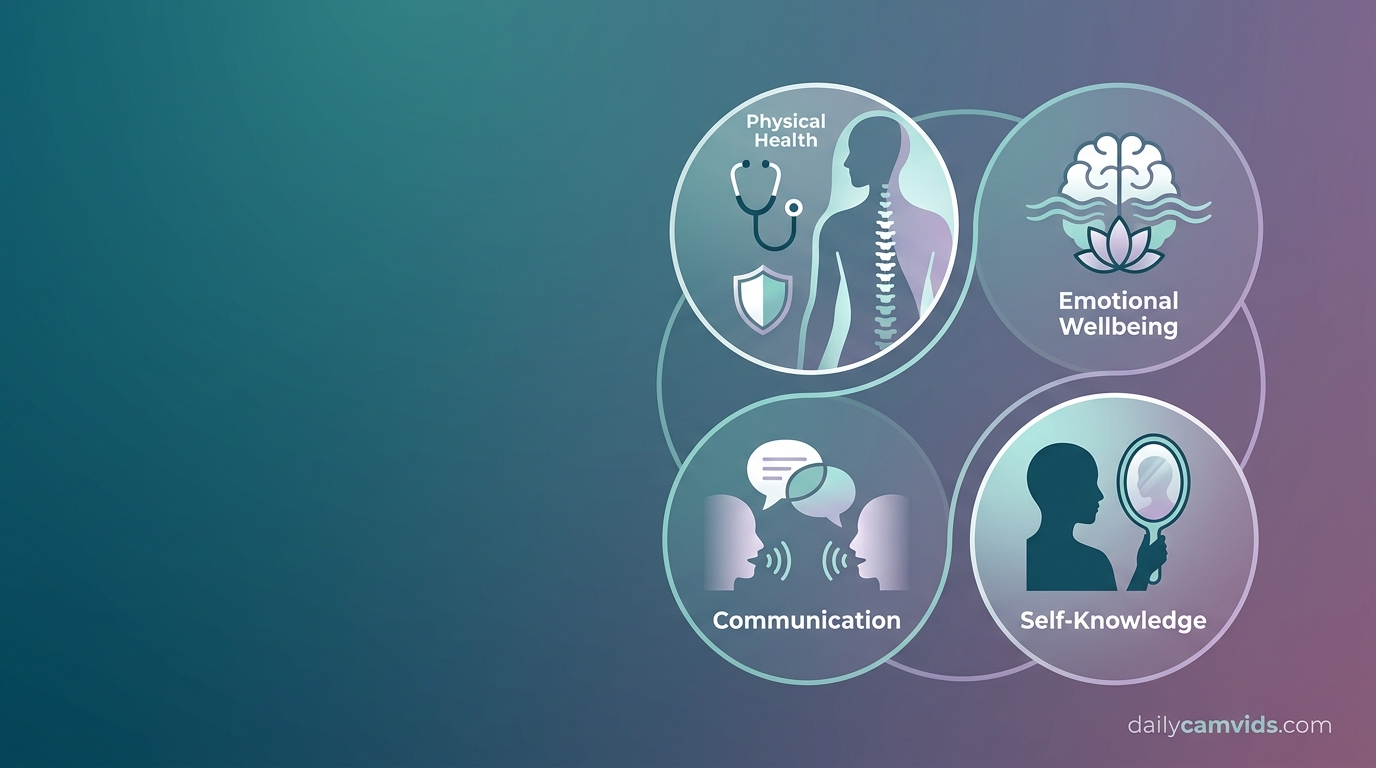
Sexual wellness is a broad concept that most people have heard of but fewer have a clear framework for. It encompasses physical health, emotional wellbeing, communication skills, and self-knowledge — all of which interact. This guide provides a foundational overview without medical jargon, covering what sexual wellness actually means in practice and where to direct attention if you want to approach it more intentionally.
This guide is for general informational purposes. For personal health concerns, consult a qualified healthcare professional.
What Is Sexual Wellness?
The World Health Organization defines sexual health as "a state of physical, emotional, mental and social well-being in relation to sexuality" — not merely the absence of disease or dysfunction. This definition is important because it frames sexual health as positive and multidimensional, not just a checklist of things to avoid.
Practically, sexual wellness involves:
- Understanding your own body and sexual responses
- Being informed about and practicing appropriate safer sex measures when relevant
- Being able to communicate clearly with partners about needs, preferences, and boundaries
- Having a positive relationship with your own sexuality, without shame or significant distress
- Engaging in relationships and sexual experiences that are consensual and that you find meaningful or enjoyable
None of these is a binary — they're all spectrums that can be cultivated over time. The concept of "wellness" in this context implies ongoing attention and care, not a static state to achieve.
Physical Aspects of Sexual Health
The physical dimension of sexual wellness includes understanding your anatomy and physiology, practicing safer sex measures appropriate to your situation, regular health screenings, and addressing any physical concerns with appropriate healthcare.
Safer sex practices — using barriers like condoms consistently and correctly, regular STI testing if sexually active with partners, understanding how different contraceptive methods work — are the practical core of physical sexual health. These aren't complex, but they do require some foundational knowledge and consistent practice.
Our guide on understanding safe sex covers the practical specifics in more detail.
Emotional and Mental Dimensions
Sexual wellness has a significant emotional and psychological dimension that's often less discussed than the physical aspects. This includes how you feel about your own sexuality, how you manage desire and attraction, how sexual experiences interact with your mental health and self-esteem, and whether any anxieties or distress around sex are being addressed.
Positive sexual wellness includes being able to approach your sexuality without significant shame or distress — not meaning you have to be perfectly comfortable with everything, but that any discomfort is proportionate and manageable rather than significantly interfering with your life. The connection between mental health and sexual wellbeing is bidirectional and meaningful. See our article on mental health and intimacy for more on this.
Communication as a Foundation
Much of sexual wellness in the context of relationships depends on communication skills — the ability to express your own needs and preferences, to understand a partner's, and to navigate differences. This sounds straightforward but is practically challenging for many people, particularly in cultures where direct communication about sex is discouraged or where talking about preferences carries emotional risk.
Communication around sex includes: discussing consent clearly and explicitly, sharing what you enjoy and what you don't, raising concerns or discomfort, and setting boundaries in ways that feel clear and respected. These are learnable skills that improve with practice and that are foundational to fulfilling sexual relationships. See our guide to talking to a partner about boundaries for practical approaches.
Regular Healthcare and Screenings
Regular healthcare is a component of sexual wellness that many people underutilize. Relevant regular care includes:
- STI testing: Recommended periodically for sexually active people, with frequency depending on number of partners, type of sexual activity, and local health guidance. STIs are often asymptomatic — regular testing is the only way to know status. The CDC and similar health authorities provide testing frequency recommendations.
- Reproductive health screenings: Pap smears (cervical cancer screening), breast exams, prostate health — these vary by anatomy and age. A primary care provider or sexual health clinic can advise on appropriate screening schedules.
- Contraception review: If contraception is relevant to your situation, regular check-ins with a healthcare provider about your method, its appropriateness for your life situation, and whether alternatives might be better suited are worthwhile.
When to see a professional is covered in more detail in our article: when to see a professional about sexual health.
Self-Knowledge and Body Awareness
Sexual wellness is partly built on self-knowledge — understanding your own responses, preferences, and patterns. This includes knowing what you find pleasurable, understanding how your body works, recognizing your own emotional responses to sexual experiences, and having a clear sense of your own desires and limits.
Self-knowledge in this domain develops over time through experience and reflection. It's also the foundation for effective communication — it's difficult to communicate about preferences you haven't identified, or to negotiate consent around limits you haven't clarified to yourself.
Where to Start
If sexual wellness feels like an abstract concept, a practical starting point is identifying which dimension feels most underdeveloped:
- If physical health basics feel unclear, start with our sexual health basics guide and consider scheduling a sexual health check-in with a healthcare provider
- If communication feels like the gap, our guides on talking about boundaries and communication in relationships are useful starting points
- If emotional or mental health intersects with your concerns, our article on mental health and intimacy addresses the connection
Sexual wellness is not a destination — it's an ongoing orientation toward your own health, relationships, and wellbeing. Small, consistent attention across the dimensions above tends to compound meaningfully over time.
React to this article
Comments
Loading…
Leave a comment
Loading…